
Tim Curry: The actor who made the unusual unforgettable
From Rocky Horror to Pennywise and the stage, Tim Curry built a career on wit, risk and unforgettable...

 18°C
18°C
Hayden Panettiere spent almost her entire life being watched. She appeared in commercials before her first birthday, was acting regularly as a young child and entered adulthood with millions of people already familiar with her face. By the time of her death on 16 August 2026, aged 36, she had lived several lives in public: child performer, television star, film actor, singer, activist, mother and, in her final months, author of a memoir determined to tell her story in her own words.
For audiences who grew up with her, Panettiere seemed to move effortlessly from one era of popular culture into the next. She voiced Princess Dot in Disney and Pixar's A Bug's Life, appeared as the spirited Sheryl Yoast in Remember the Titans and became a familiar young face in films including Ice Princess and Bring It On: All or Nothing. These were not simply early credits before a later breakthrough. They meant that an entire generation had effectively been watching Panettiere grow up alongside them.
Then came Claire Bennet. When Heroes premiered in 2006, Panettiere's portrayal of the seemingly indestructible high-school cheerleader placed her at the centre of one of television's biggest pop-culture moments. Claire could heal from almost any injury, but Panettiere gave the character something beyond the supernatural premise: vulnerability, frustration and the uncertainty of a young woman trying to understand what made her different. The role transformed Panettiere from a successful child actor into an internationally recognised television star.
Her next defining television role asked something very different of her. As Juliette Barnes in Nashville, Panettiere played an ambitious country singer whose confidence often concealed a much more complicated inner life. Across six seasons, Juliette could be difficult, funny, wounded, driven and deeply human. The performance earned Panettiere two Golden Globe nominations and demonstrated that the actor many viewers still associated with Heroes had grown into a performer capable of carrying emotionally demanding material.
There was also Kirby Reed, the quick-witted horror fan Panettiere first played in Scream 4 in 2011. More than a decade later, she returned to the character for Scream VI in 2023. It was the kind of return that carried particular meaning for long-time fans: not simply nostalgia, but the reappearance of a performer who had been largely absent from screens for several years.
Panettiere's public life, however, was never confined neatly to the roles she played. She became an outspoken advocate for marine wildlife and dolphin conservation, taking part in activism connected with the campaign documented in The Cove. Her concern for animals continued throughout her life and became one of the causes she was most closely associated with outside acting.
As she grew older, Panettiere also became increasingly willing to speak about what had existed behind the polished image of childhood fame. She discussed postpartum depression, addiction and recovery, trauma and the pressures of spending her formative years inside an industry where work and public scrutiny arrived unusually early. She also spoke openly about the immense grief that followed the death of her younger brother, actor Jansen Panettiere, in 2023.
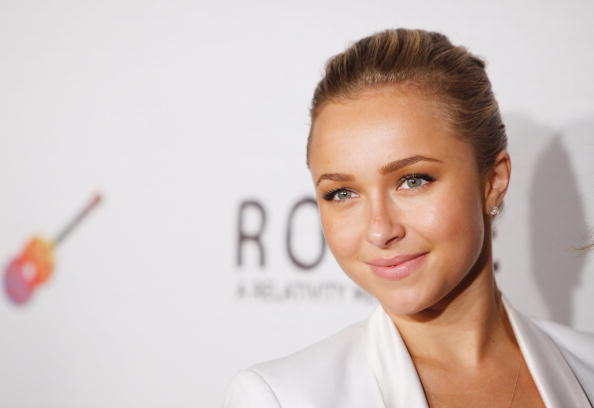
Those experiences became central to This Is Me: A Reckoning, her memoir released in May 2026. The book arrived only months before her death and gave Panettiere an opportunity that childhood fame had rarely allowed her: to decide how her own life would be described. Rather than presenting a tidy story of success followed by hardship and recovery, she wrote about contradiction - professional achievement alongside private pain, motherhood alongside difficult choices, and the continuing work of rebuilding a sense of self away from the expectations placed upon her.
Panettiere died in Greenville, South Carolina, on 16 August 2026. Her family confirmed her death and asked for privacy as they grieved. At the time of writing, an official cause of death had not been announced, and authorities said there were no signs of foul play. In the absence of confirmed findings, speculation about how she died should not overwhelm the much larger story of how she lived.
That story is not a simple one. Reducing Panettiere either to the extraordinary success she achieved young or to the difficulties she later described would flatten a life she herself spent years trying to explain more fully. She was a performer who could move from superhero television to country drama and horror without feeling misplaced, but she was also someone who increasingly questioned what growing up under constant observation had asked of her.
Her work remains spread across several generations of audiences. Some will always picture the fearless cheerleader from Heroes. Others will hear Juliette Barnes before they see her, or remember Kirby's sharp humour in Scream. Younger viewers may discover those performances for the first time. And beside them now sits Panettiere's own account of herself - written near the end of her life, but looking back over more than three decades spent in front of other people's cameras.
Hayden Panettiere was only 36. Yet hers was already a career stretching from childhood commercials to some of the most recognisable television of the 2000s and 2010s. Perhaps the most fitting way to consider that life is not through its final days, but through the many years in which she kept working, changing, speaking and eventually insisting on the right to tell the story for herself.